Selecting Materials: Aluminum Alloy 6061 vs 6063
Release time:2026-03-11 Click:5
When engineers and fabricators choose materials for a project, understanding the subtle differences between similar grades is crucial. The debate of aluminum alloy 6061 vs 6063 is a common one in the manufacturing world, as both are part of the 6000 series and share characteristics like good corrosion resistance and heat treatability. However, their specific properties dictate their use in very different applications. Knowing which alloy to use can mean the difference between a part that lasts and one that fails.
Alloy 6061 is often referred to as the "workhorse" of aluminum alloys. It contains higher levels of silicon and magnesium, giving it higher strength and making it ideal for structural applications. In the comparison of aluminum alloy 6061 vs 6063, 6061 is the clear winner when load-bearing capacity is the priority. It is frequently used for aircraft structures, heavy-duty machine parts, and automotive components where durability and toughness are required.
On the other hand, Alloy 6063 is known as the "architectural" alloy. While it has lower strength compared to 6061, it offers a superior surface finish and is much easier to extrude into complex shapes. When considering aluminum alloy 6061 vs 6063 for aesthetic applications, 6063 is the preferred choice. It takes anodizing very well, resulting in a smooth, bright finish that is perfect for window frames, door frames, and ornamental trim where visual appeal is more important than structural strength.
Machinability is another differentiating factor. Alloy 6061 is relatively easy to machine, and it can be welded using standard methods. However, Alloy 6063 is softer and can sometimes be "gummy" to machine, making it less suitable for intricate machining tasks. In the context of aluminum alloy 6061 vs 6063, a machinist would prefer 6061 for making parts that require tight tolerances and threaded holes, as the material holds its shape better during cutting.
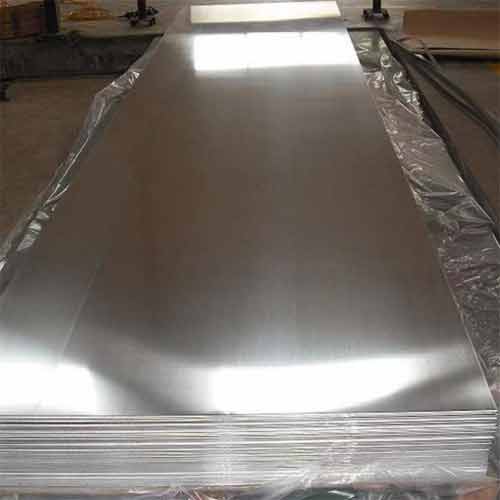
Cost and availability also play a role. Since 6063 is easier to extrude, it is often slightly less expensive and available in a wider variety of custom shapes. Conversely, 6061 is typically sold in standard shapes like plates, bars, and sheets. The choice in the aluminum alloy 6061 vs 6063 dilemma often comes down to balancing the budget against the required structural performance.
In conclusion, both alloys serve vital roles in modern industry. 6061 provides the strength needed for machinery and structures, while 6063 offers the aesthetic qualities desired in architecture. By understanding the trade-offs in the aluminum alloy 6061 vs 6063 comparison, professionals can specify the right material for the job, optimizing both performance and cost.
Previous article:Corrosion Resistant Aluminum Alloy: Saltwater-Proof
Next article:Entrance Solutions with Modern Aluminium Door
Hot products
Mobile: +86 13292822131
Email:metalproducts2023@163.com
Email:634049339@qq.com